Breeds Hound
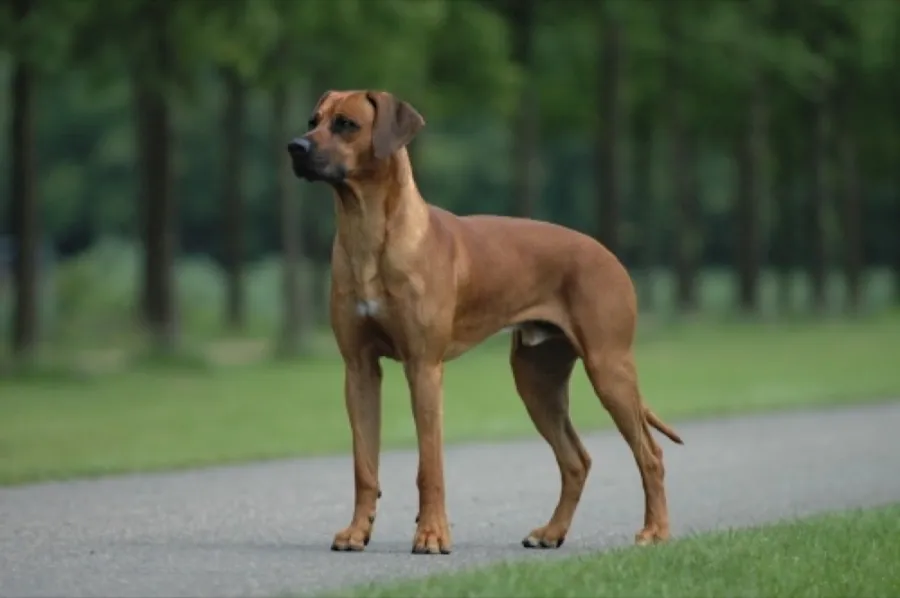
Rhodesian Ridgeback
Also known as African Lion Hound, Ridgeback
The Rhodesian Ridgeback was developed in southern Africa by crossing European dogs with local ridged dogs of the Khoikhoi people. Hunters used packs of Ridgebacks to track lions and hold them at bay. The breed is athletic and devoted to family, often reserved with strangers.
At a glance
- Origin
- Southern Africa (Zimbabwe)
- Developed
- 1800s
- Bred for
- Tracking and holding lions at bay; guarding homesteads
- Height
- 24–27 in
- Weight
- 70–85 lb
- Life span
- 10–12 years
- Size
- Large
- Coat
- Short, dense, glossy coat; light wheaten to red wheaten, with a ridge of reversed hair along the back
- Grooming
- Low
- Shedding
- Moderate
- Exercise
- 1–2 hours a day of running, hiking, or long walks
- Recognized by
- American Kennel Club, United Kennel Club, Fédération Cynologique Internationale, Canadian Kennel Club, The Kennel Club (UK)
Good to know
Ridgebacks are strong, smart, and independent, so start training and socialization early. They need plenty of exercise and can be counter-surfers.
Health considerations
- Dermoid sinus
- Hip dysplasia
- Elbow dysplasia
- Hypothyroidism
Conditions breed clubs commonly screen for. Not every dog will have them. Ask your veterinarian about your own dog.
Did you know?
The ridge of hair along its back grows in the opposite direction from the rest of the coat.
Hound group
Dogs bred to hunt by scent (like Beagles and Bloodhounds) or by sight and speed (like Greyhounds and Salukis). Many are independent thinkers with strong instincts to follow a trail or chase.
Every Rhodesian Ridgeback is an individual.
Breed traits are tendencies, not guarantees. Your dog's genetics, early life, health, and everyday experiences all shape who they are. If you'd like help understanding the dog in front of you, let's talk.
Start a conversation