Breeds Hound
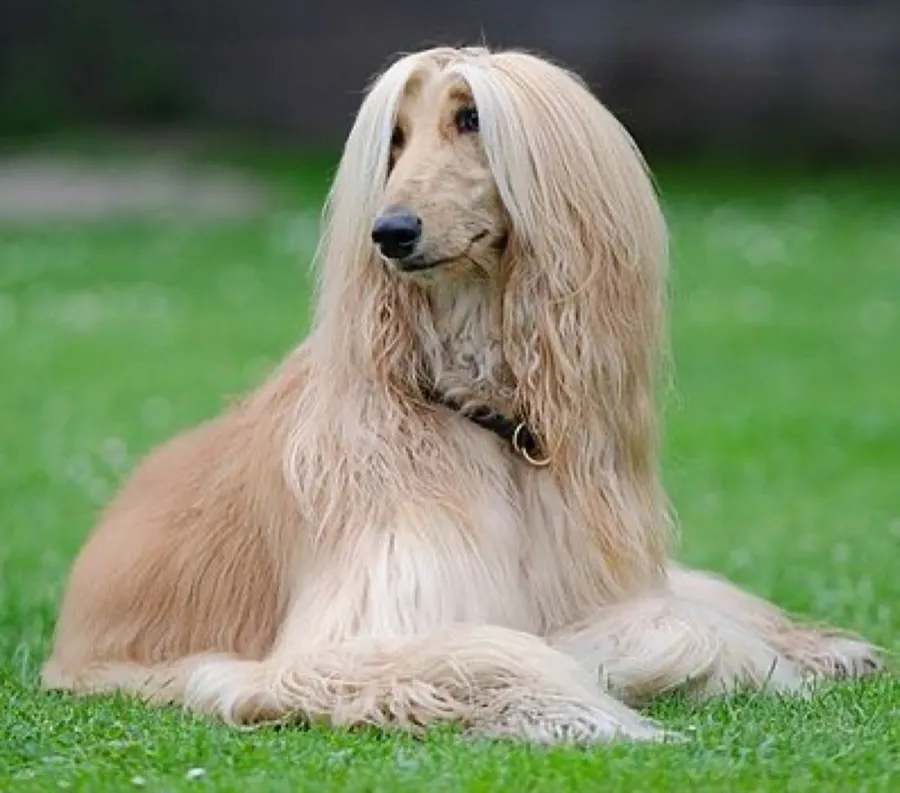
Afghan Hound
Also known as Tazi, Baluchi Hound
The Afghan Hound is an ancient sighthound from the mountains of Afghanistan, where its long coat protected it from harsh cold while it hunted by sight. It was brought to Britain in the early 20th century and quickly became a show-ring favorite. Afghans are elegant and reserved, often affectionate with family while staying aloof with strangers.
At a glance
- Origin
- Afghanistan
- Developed
- Ancient; brought to the West in the early 1900s
- Bred for
- Coursing large game such as deer, gazelle, and hare across mountainous terrain
- Height
- 25–27 in
- Weight
- 50–60 lb
- Life span
- 12–18 years
- Size
- Large
- Coat
- Long, fine, silky coat with a short-haired saddle on mature dogs; all colors
- Grooming
- High
- Shedding
- Minimal
- Exercise
- About an hour a day, including safe off-leash sprinting in a securely fenced area
- Recognized by
- American Kennel Club, United Kennel Club, Fédération Cynologique Internationale, Canadian Kennel Club, The Kennel Club (UK)
Good to know
Their strong chase instinct means recall is unreliable, so keep them leashed or securely fenced. The coat needs thorough brushing several times a week to prevent mats. Training works best with patience, short sessions, and positive motivation.
Health considerations
- Hip dysplasia
- Hypothyroidism
- Juvenile cataracts
- Anesthesia sensitivity
Conditions breed clubs commonly screen for. Not every dog will have them. Ask your veterinarian about your own dog.
Did you know?
An Afghan Hound named Snuppy became the world's first cloned dog in South Korea in 2005.
Hound group
Dogs bred to hunt by scent (like Beagles and Bloodhounds) or by sight and speed (like Greyhounds and Salukis). Many are independent thinkers with strong instincts to follow a trail or chase.
Every Afghan Hound is an individual.
Breed traits are tendencies, not guarantees. Your dog's genetics, early life, health, and everyday experiences all shape who they are. If you'd like help understanding the dog in front of you, let's talk.
Start a conversation