Breeds Working
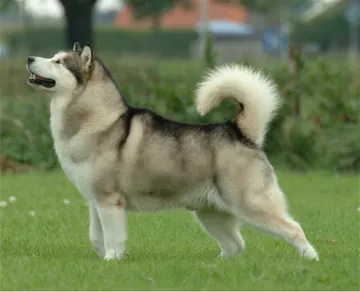
Siberian Husky
Also known as Husky, Sibe
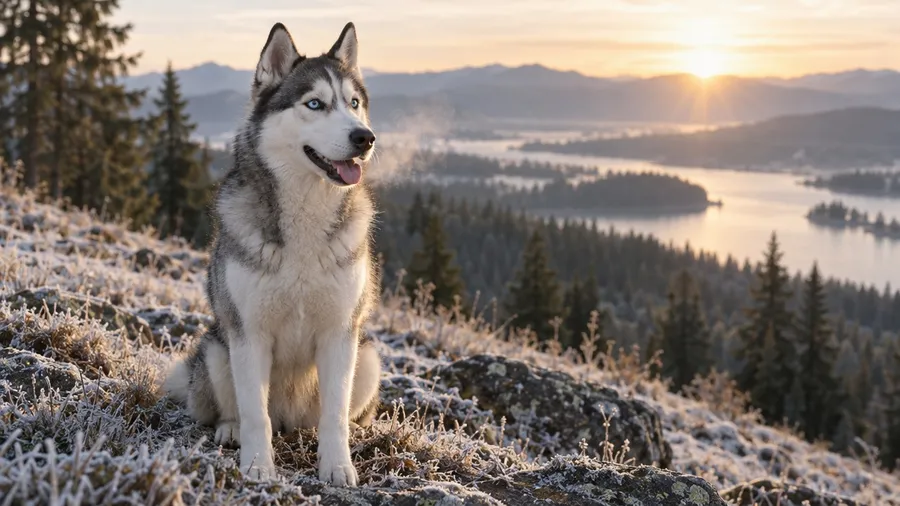
The Siberian Husky was developed by the Chukchi people of northeastern Siberia as an efficient sled dog able to travel long distances on little food. Huskies arrived in Alaska for sled racing in the early 1900s and gained lasting fame during the 1925 serum run to Nome. They are friendly, mischievous, and social dogs that enjoy company, including other dogs.
At a glance
- Origin
- Russia (Siberia)
- Developed
- Ancient; introduced to Alaska in 1908
- Bred for
- Pulling light loads over long distances in extreme cold
- Height
- 20–23.5 in
- Weight
- 35–60 lb
- Life span
- 12–14 years
- Size
- Medium
- Coat
- Medium-length, dense double coat; all colors from black to pure white, often with striking facial masks
- Grooming
- Moderate
- Shedding
- Heavy
- Exercise
- 1–2+ hours a day of running, pulling, or vigorous play
- Recognized by
- American Kennel Club, United Kennel Club, Fédération Cynologique Internationale, Canadian Kennel Club, The Kennel Club (UK)
Good to know
Huskies need a lot of exercise, secure fencing, and a leash in unfenced areas, as many love to run and roam. Many have strong prey drive toward small animals. Expect seasonal coat blowing and a vocal, talkative personality.
Health considerations
- Hip dysplasia
- Juvenile cataracts
- Progressive retinal atrophy
- Corneal dystrophy
Conditions breed clubs commonly screen for. Not every dog will have them. Ask your veterinarian about your own dog.
Did you know?
Siberian Huskies led by mushers including Leonhard Seppala and Gunnar Kaasen helped carry diphtheria antitoxin to Nome, Alaska, in 1925, a relay famously finished by the lead dog Balto.
Working group
Guardians, sled dogs, draft dogs, and rescue dogs. Often large and strong, intelligent, and capable of serious work. Early socialization and consistent training matter.
Every Siberian Husky is an individual.
Breed traits are tendencies, not guarantees. Your dog's genetics, early life, health, and everyday experiences all shape who they are. If you'd like help understanding the dog in front of you, let's talk.
Start a conversation