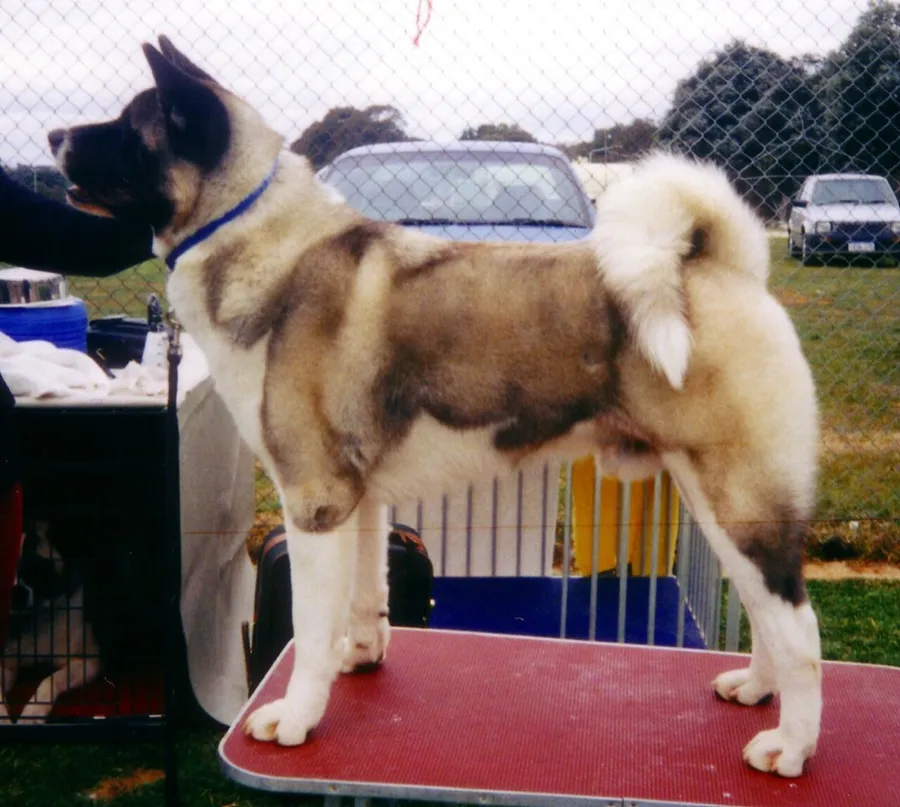
Breeds Working
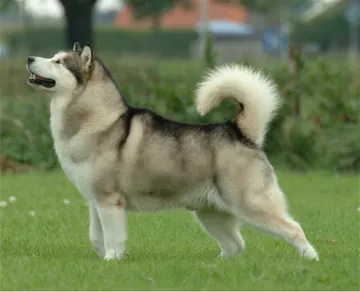
Akita
Also known as American Akita, Great Japanese Dog
The Akita comes from the mountainous Akita Prefecture of northern Japan, where it hunted large game and guarded homes. The breed was named a national monument of Japan in 1931, and dogs brought to the United States after World War II formed the basis of the American type recognized by the AKC. Akitas are quiet, deeply devoted to their families, and often reserved with strangers.
At a glance
- Origin
- Japan
- Developed
- 1600s (modern breed standardized early 1900s)
- Bred for
- Hunting large game such as boar, elk, and bear; guarding
- Height
- 24–28 in
- Weight
- 70–130 lb
- Life span
- 10–13 years
- Size
- Large
- Coat
- Dense double coat with a harsh outer coat and soft, thick undercoat; any color, including white, brindle, and pinto
- Grooming
- Moderate
- Shedding
- Seasonal
- Exercise
- About 1 hour a day of walks and structured activity
- Recognized by
- American Kennel Club, United Kennel Club, Fédération Cynologique Internationale, Canadian Kennel Club, The Kennel Club (UK)
Good to know
Early, ongoing socialization with people and other dogs is important, as many Akitas prefer to be the only dog, especially with dogs of the same sex. They do best with calm, consistent, fair training and an owner who respects their independent nature. Expect a heavy 'coat blow' about twice a year.
Health considerations
- Hip dysplasia
- Progressive retinal atrophy
- Hypothyroidism
- Gastric dilatation-volvulus (bloat)
Conditions breed clubs commonly screen for. Not every dog will have them. Ask your veterinarian about your own dog.
Did you know?
Helen Keller is credited with bringing the first Akita to the United States in 1937, a gift she received during a visit to Japan.
Working group
Guardians, sled dogs, draft dogs, and rescue dogs. Often large and strong, intelligent, and capable of serious work. Early socialization and consistent training matter.
Every Akita is an individual.
Breed traits are tendencies, not guarantees. Your dog's genetics, early life, health, and everyday experiences all shape who they are. If you'd like help understanding the dog in front of you, let's talk.
Start a conversation