Breeds Herding
Shetland Sheepdog
Also known as Sheltie
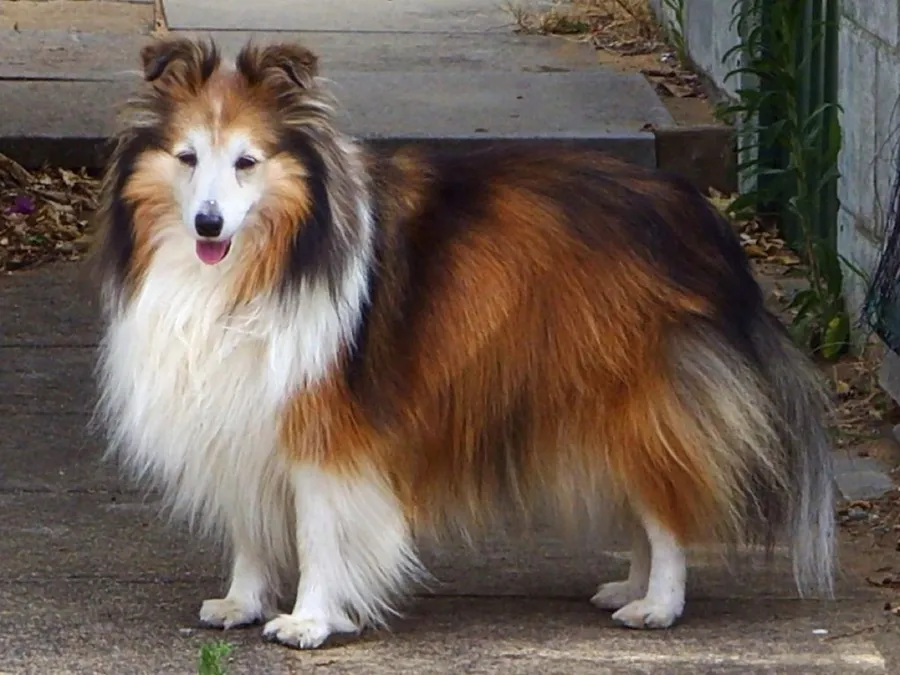
The Shetland Sheepdog developed on the rugged Shetland Islands, where small, hardy livestock were tended by small, hardy dogs. Islanders later refined the breed with crosses to Rough Collies and other breeds. Shelties are bright, eager learners that excel in obedience and agility and are devoted to their families.
At a glance
- Origin
- Scotland (Shetland Islands)
- Developed
- 1800s; recognized in the early 1900s
- Bred for
- Herding sheep, ponies, and poultry on the Shetland Islands
- Height
- 13–16 in
- Weight
- 15–25 lb
- Life span
- 12–14 years
- Size
- Small
- Coat
- Long, straight, harsh outer coat over a dense undercoat; sable, tricolor, blue merle, bi-blue, or bi-black, with white
- Grooming
- Moderate
- Shedding
- Heavy
- Exercise
- About 1 hour a day of activity and play
- Recognized by
- American Kennel Club, United Kennel Club, Fédération Cynologique Internationale, Canadian Kennel Club, The Kennel Club (UK)
Good to know
Shelties are often vocal and sensitive to harsh handling, so calm, consistent training works best. Their coat needs regular brushing, and MDR1 testing is recommended.
Health considerations
- Collie eye anomaly
- MDR1 drug sensitivity
- Hypothyroidism
- Dermatomyositis
Conditions breed clubs commonly screen for. Not every dog will have them. Ask your veterinarian about your own dog.
Did you know?
Despite its resemblance, the Sheltie is not a miniature Collie but a distinct breed with its own history on the Shetland Islands.
Herding group
Dogs developed to gather, drive, and protect livestock. Usually intelligent, responsive, and energetic, with a strong instinct to control movement.
Every Shetland Sheepdog is an individual.
Breed traits are tendencies, not guarantees. Your dog's genetics, early life, health, and everyday experiences all shape who they are. If you'd like help understanding the dog in front of you, let's talk.
Start a conversation