Breeds Non-Sporting
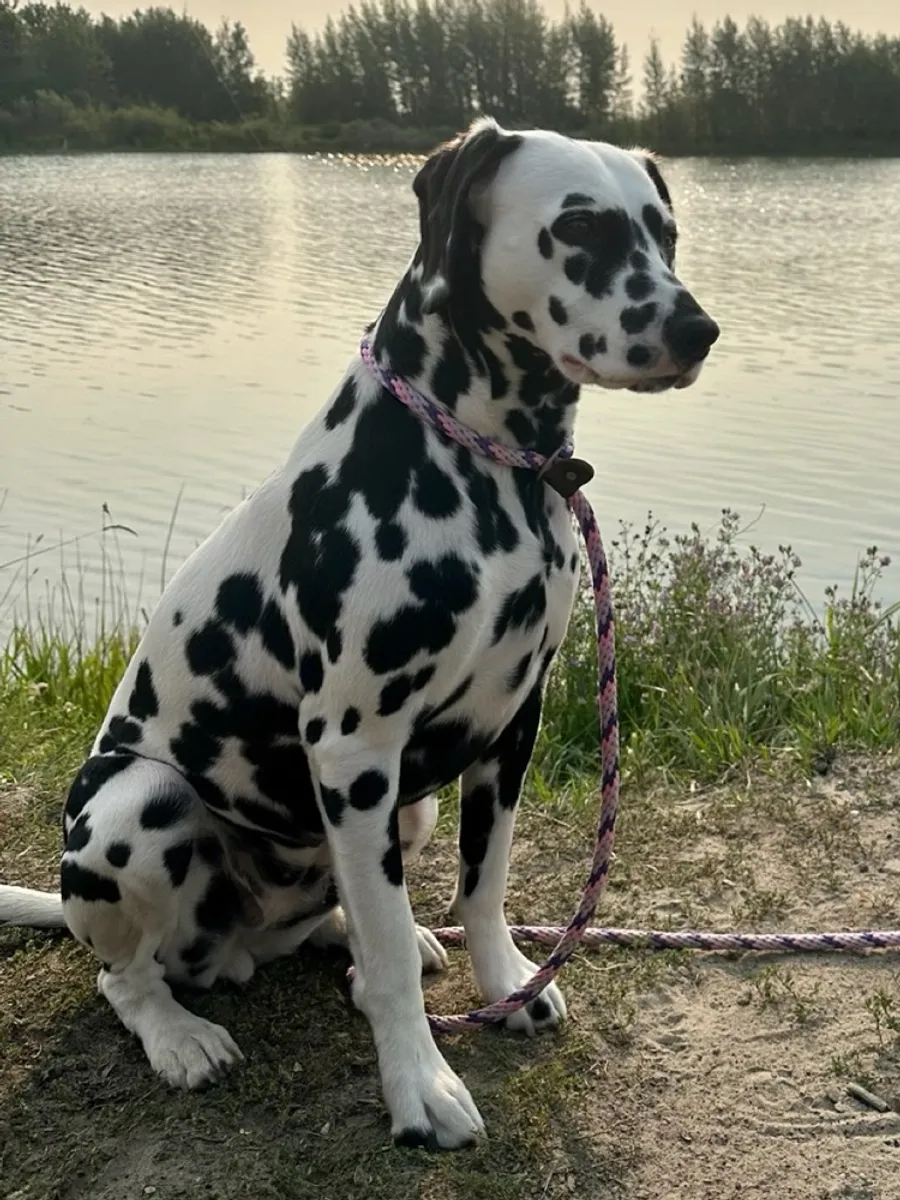
Dalmatian
Also known as Carriage Dog, Spotted Coach Dog
The Dalmatian is named for the region of Dalmatia on the Adriatic coast, though its exact origins are uncertain. It was refined in England as a carriage dog that ran alongside horse-drawn coaches. In the United States, Dalmatians became associated with firehouses. Today they are energetic, loyal companions.
At a glance
- Origin
- Dalmatia (Croatia); developed in England
- Developed
- 1700s–1800s
- Bred for
- Carriage dog guarding horses and coaches
- Height
- 19–24 in
- Weight
- 45–70 lb
- Life span
- 11–13 years
- Size
- Large
- Coat
- Short, dense, glossy coat; white with black or liver spots
- Grooming
- Low
- Shedding
- Heavy
- Exercise
- 1–2 hours a day of running, walking, and play
- Recognized by
- American Kennel Club, United Kennel Club, Fédération Cynologique Internationale, Canadian Kennel Club, The Kennel Club (UK)
Good to know
Dalmatians need lots of daily exercise and mental stimulation. Ask breeders about BAER hearing testing. A diet plan that supports urinary health is important, as the breed is prone to urinary stones.
Health considerations
- Deafness
- Urinary stones
- Hip dysplasia
Conditions breed clubs commonly screen for. Not every dog will have them. Ask your veterinarian about your own dog.
Did you know?
Dalmatian puppies are born pure white; their spots develop over the first few weeks of life.
Non-Sporting group
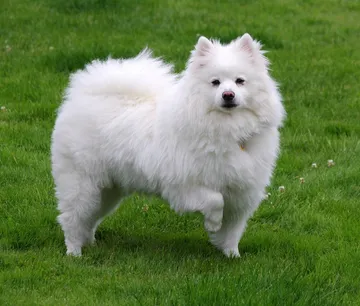
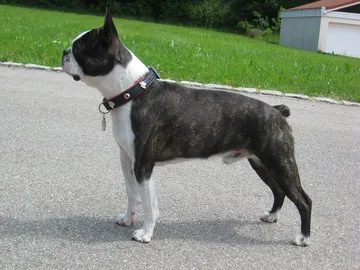
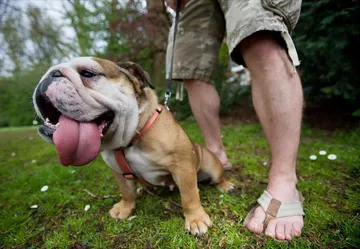
A varied group of breeds with different histories, from the Dalmatian and Chow Chow to the Bulldog and Poodle. Size, coat, and energy vary widely.
Every Dalmatian is an individual.
Breed traits are tendencies, not guarantees. Your dog's genetics, early life, health, and everyday experiences all shape who they are. If you'd like help understanding the dog in front of you, let's talk.
Start a conversation