Breeds Herding
Belgian Tervuren
Also known as Tervuren, Terv, Chien de Berger Belge (Tervueren)
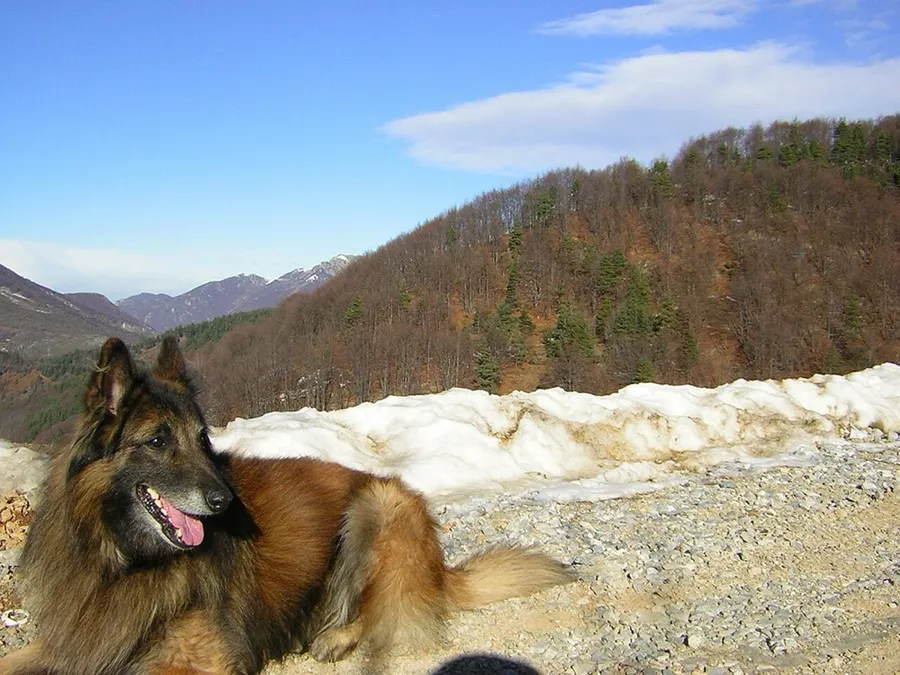
Named for the town of Tervuren, near Brussels, this long-coated fawn variety of Belgian shepherd was developed in the late 1800s by breeder M.F. Corbeel. Like its Belgian cousins, it was bred first and foremost for working ability. Tervuren are elegant, versatile dogs that excel in obedience, herding, agility, and tracking.
At a glance
- Origin
- Belgium
- Developed
- Late 1800s
- Bred for
- Herding and guarding livestock
- Height
- 22–26 in
- Weight
- 45–75 lb
- Life span
- 12–14 years
- Size
- Large
- Coat
- Long, straight double coat; rich fawn to mahogany with black overlay and a black mask
- Grooming
- Moderate
- Shedding
- Seasonal
- Exercise
- 1–2 hours a day of activity plus mental challenges
- Recognized by
- American Kennel Club, United Kennel Club, Fédération Cynologique Internationale, Canadian Kennel Club, The Kennel Club (UK)
Good to know
Tervs are sensitive, people-oriented dogs that dislike being left alone for long periods. They need daily exercise, regular brushing, and thoughtful socialization, and they tend to flourish when given a sport or job to share with their owner.
Health considerations
- Hip dysplasia
- Elbow dysplasia
- Epilepsy
- Progressive retinal atrophy
Conditions breed clubs commonly screen for. Not every dog will have them. Ask your veterinarian about your own dog.
Did you know?
The AKC registered the Belgian shepherd varieties as a single breed until 1959, when the Tervuren, Belgian Sheepdog, and Malinois were separated into distinct breeds.
Herding group
Dogs developed to gather, drive, and protect livestock. Usually intelligent, responsive, and energetic, with a strong instinct to control movement.
Every Belgian Tervuren is an individual.
Breed traits are tendencies, not guarantees. Your dog's genetics, early life, health, and everyday experiences all shape who they are. If you'd like help understanding the dog in front of you, let's talk.
Start a conversation