Breeds Herding
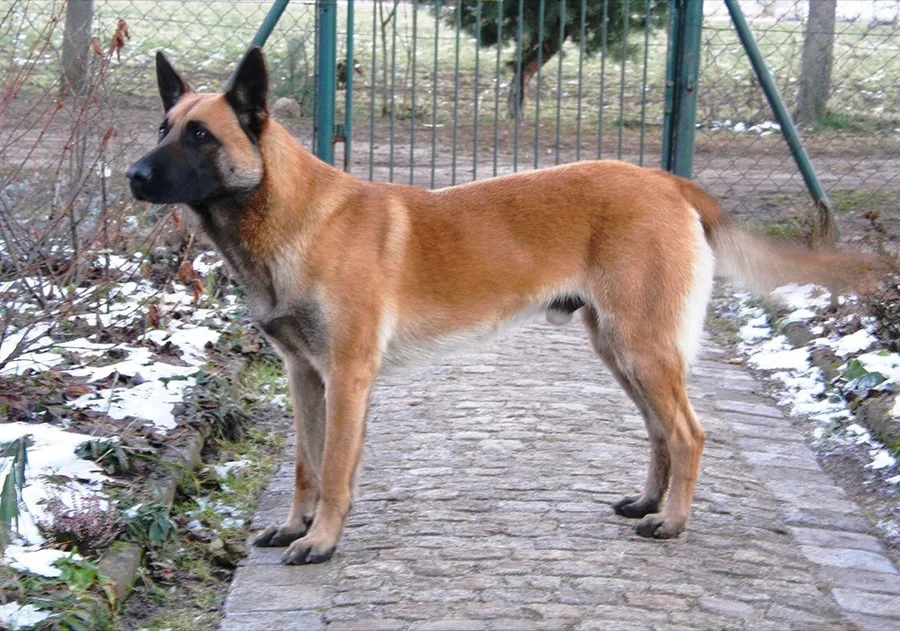
Belgian Malinois
Also known as Malinois, Mechelaar, Mechelse Herder, Chien de Berger Belge (Malinois)
The Belgian Malinois is one of four Belgian shepherd varieties standardized in the 1890s, when Professor Adolphe Reul and the Belgian Shepherd Dog Club sorted local herding dogs by coat type; the short-coated fawn dogs around the city of Malines (Mechelen) became the Malinois. Breeders selected heavily for working ability rather than appearance, producing a lean, agile, exceptionally responsive dog. By the early 1900s Malinois were serving Belgian police, and today they are among the most widely used dogs in police, military, and detection work worldwide. In the home they are intensely people-focused, quick to learn, and happiest when they have a meaningful job alongside their handler.
At a glance
- Origin
- Belgium (Malines/Mechelen region)
- Developed
- Late 1800s
- Bred for
- Herding sheep; later police, military, detection, and protection work
- Height
- 22–26 in
- Weight
- 40–80 lb
- Life span
- 14–16 years
- Size
- Large
- Coat
- Short, straight, hard double coat; fawn to mahogany with black overlay, a black mask, and black ears
- Grooming
- Low
- Shedding
- Seasonal
- Exercise
- 1–2+ hours a day of vigorous exercise, plus daily training, scent work, or structured mental challenges
- Recognized by
- American Kennel Club, United Kennel Club, Fédération Cynologique Internationale, Canadian Kennel Club, The Kennel Club (UK)
Good to know
Malinois are not a typical family pet: most need far more than walks, and thrive with daily structured work such as obedience, scent work, agility, herding, or protection sports under a qualified trainer. Their high drive and sensitivity mean they learn bad habits as fast as good ones, so start clear, consistent training, impulse-control games, and calm-settling practice early, and teach them to switch off as deliberately as you teach them to work. Thorough socialization through adolescence, secure fencing, and careful management around fast-moving children, cats, and small animals are important. Under-stimulated Malinois often develop frustration behaviors such as spinning, chewing, mouthing, or reactivity, which usually improve with better outlets, structure, and consistent coaching.
Health considerations
- Hip dysplasia
- Elbow dysplasia
- Progressive retinal atrophy
- Epilepsy
Conditions breed clubs commonly screen for. Not every dog will have them. Ask your veterinarian about your own dog.
Did you know?
A Belgian Malinois named Cairo was part of the U.S. Navy SEAL team on the 2011 Abbottabad raid, and in 2019 a Malinois named Conan was honored at the White House after a special operations mission.
Herding group
Dogs developed to gather, drive, and protect livestock. Usually intelligent, responsive, and energetic, with a strong instinct to control movement.
Every Belgian Malinois is an individual.
Breed traits are tendencies, not guarantees. Your dog's genetics, early life, health, and everyday experiences all shape who they are. If you'd like help understanding the dog in front of you, let's talk.
Start a conversation