Breeds Hound
Beagle
Also known as English Beagle
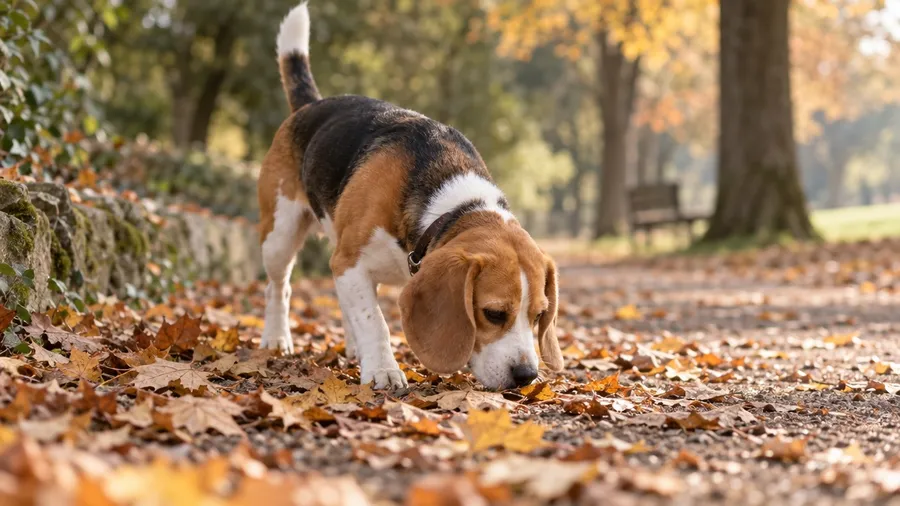
The modern Beagle was refined in 19th-century England as a compact pack hound for hunting rabbit, with hunters following on foot. It is a scenthound through and through, driven by its nose and famous for its baying voice. Beagles are cheerful, social dogs that typically enjoy people and other dogs.
At a glance
- Origin
- England
- Developed
- 1800s (modern breed)
- Bred for
- Hunting rabbit and hare in packs
- Height
- Up to 15 in
- Weight
- 20–30 lb
- Life span
- 10–15 years
- Size
- Small
- Coat
- Short, dense, weather-resistant coat; commonly tricolor, lemon, or red and white
- Grooming
- Low
- Shedding
- Moderate
- Exercise
- About an hour a day of walks and play, plus sniffing and scent games
- Recognized by
- American Kennel Club, United Kennel Club, Fédération Cynologique Internationale, Canadian Kennel Club, The Kennel Club (UK)
Good to know
A Beagle's nose often outweighs its recall, so keep it leashed or in a secure yard. Food motivation makes training easier but also means portion control and secure trash cans matter.
Health considerations
- Hip dysplasia
- Hypothyroidism
- Epilepsy
- Intervertebral disc disease
Conditions breed clubs commonly screen for. Not every dog will have them. Ask your veterinarian about your own dog.
Did you know?
The AKC recognizes two Beagle varieties: one 13 inches and under, and one over 13 but not exceeding 15 inches.
Hound group
Dogs bred to hunt by scent (like Beagles and Bloodhounds) or by sight and speed (like Greyhounds and Salukis). Many are independent thinkers with strong instincts to follow a trail or chase.
Every Beagle is an individual.
Breed traits are tendencies, not guarantees. Your dog's genetics, early life, health, and everyday experiences all shape who they are. If you'd like help understanding the dog in front of you, let's talk.
Start a conversation