Breeds Miscellaneous
Small Munsterlander
Also known as Kleiner Münsterländer, Small Munsterlander Pointer
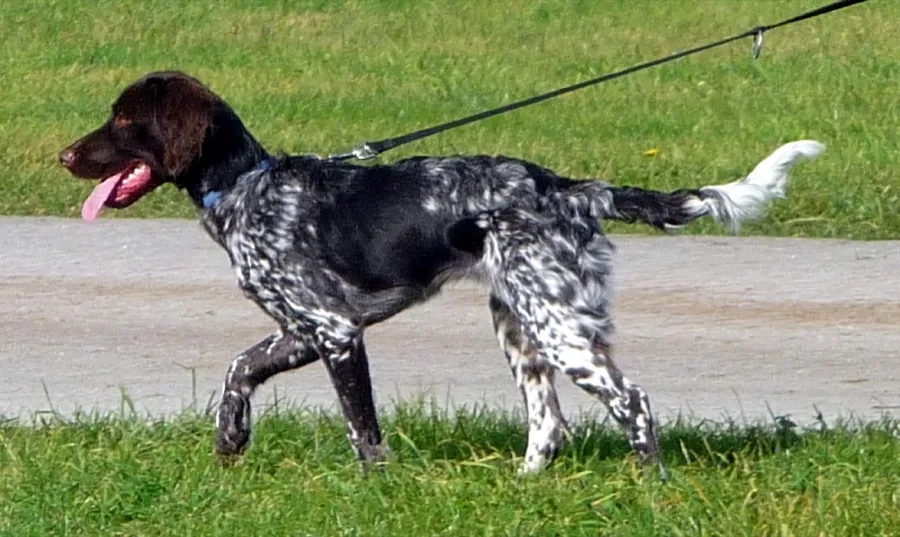
The Small Munsterlander comes from the Münster region of Germany, where hunters wanted a single dog that could point, track, and retrieve. The breed was formally organized in the early 1900s from local long-haired hunting dogs. It is a gentle, family-oriented dog with a strong love of water.
At a glance
- Origin
- Germany
- Developed
- Early 1900s (standardized)
- Bred for
- Versatile hunting: pointing, tracking, and retrieving on land and water
- Height
- 19–22 in
- Weight
- 40–60 lb
- Life span
- 12–14 years
- Size
- Medium
- Coat
- Medium-length, dense coat; brown and white or brown roan
- Grooming
- Moderate
- Shedding
- Moderate
- Exercise
- 1+ hour a day, ideally with swimming, retrieving, or scent work
- Recognized by
- American Kennel Club, United Kennel Club, Fédération Cynologique Internationale
Good to know
These dogs need regular outdoor activity and enjoy having a job, such as retrieving or scent games. Their soft temperament responds best to kind, consistent training.
Health considerations
- Hip dysplasia
- Ear infections
Conditions breed clubs commonly screen for. Not every dog will have them. Ask your veterinarian about your own dog.
Did you know?
Despite the name, the Small Munsterlander is not a scaled-down Large Munsterlander; the two breeds developed from different lines.
Miscellaneous group
Breeds working toward full AKC recognition. They can compete in some AKC events while their breed clubs complete the requirements.
Every Small Munsterlander is an individual.
Breed traits are tendencies, not guarantees. Your dog's genetics, early life, health, and everyday experiences all shape who they are. If you'd like help understanding the dog in front of you, let's talk.
Start a conversation