Breeds Sporting
Pointer
Also known as English Pointer
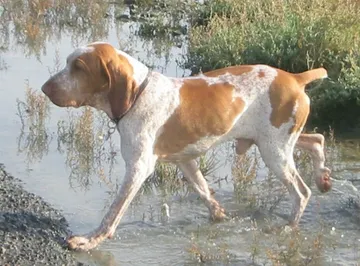
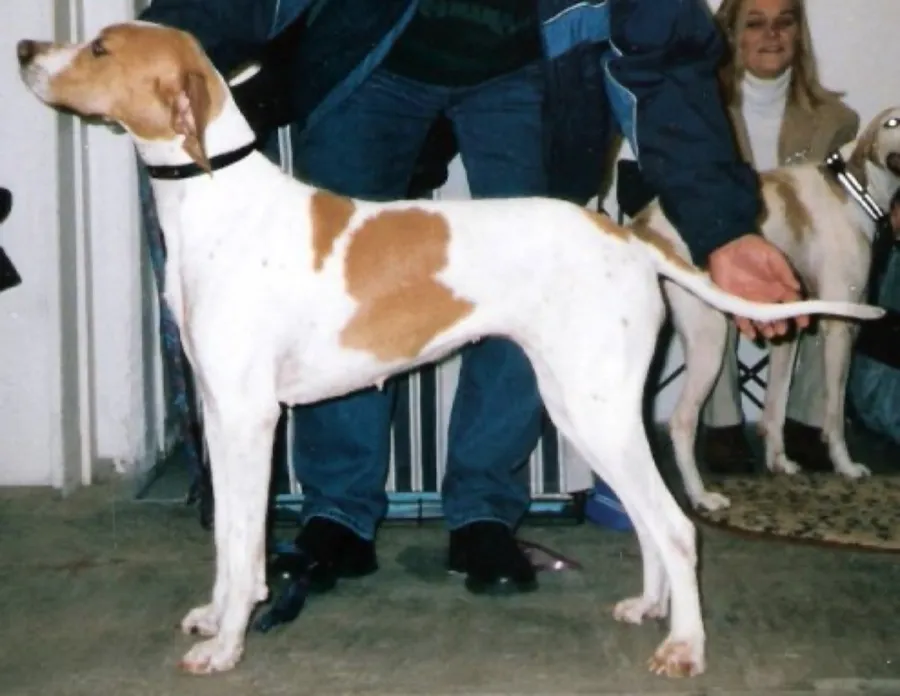
The Pointer was developed in England in the 1600s to locate hare and later game birds, freezing in a classic point to show hunters where the game was hiding. Its sleek, athletic build makes it a fast, wide-ranging field dog. Pointers are known for being friendly, even-tempered, and devoted to family.
At a glance
- Origin
- England
- Developed
- 1600s
- Bred for
- Locating and pointing game birds
- Height
- 23–28 in
- Weight
- 45–75 lb
- Life span
- 12–17 years
- Size
- Large
- Coat
- Short, dense, smooth coat; white with liver, lemon, black, or orange markings, or solid
- Grooming
- Low
- Shedding
- Moderate
- Exercise
- 1–2+ hours a day of running and vigorous exercise
- Recognized by
- American Kennel Club, United Kennel Club, Fédération Cynologique Internationale, Canadian Kennel Club, The Kennel Club (UK)
Good to know
Pointers need a great deal of exercise and do best in active homes with secure fencing. Their short coat is easy to care for but provides little protection in cold weather.
Health considerations
- Hip dysplasia
- Hypothyroidism
- Cataracts
- Deafness
Conditions breed clubs commonly screen for. Not every dog will have them. Ask your veterinarian about your own dog.
Did you know?
The Westminster Kennel Club's logo features a Pointer named Sensation, a famous dog from the club's early years.
Sporting group
Retrievers, pointers, setters, and spaniels, developed to help hunters find and retrieve game. Typically active, people-focused, and happiest with regular exercise and a job to do.
Every Pointer is an individual.
Breed traits are tendencies, not guarantees. Your dog's genetics, early life, health, and everyday experiences all shape who they are. If you'd like help understanding the dog in front of you, let's talk.
Start a conversation