Breeds Non-Sporting
Norwegian Lundehund
Also known as Lundehund, Norwegian Puffin Dog
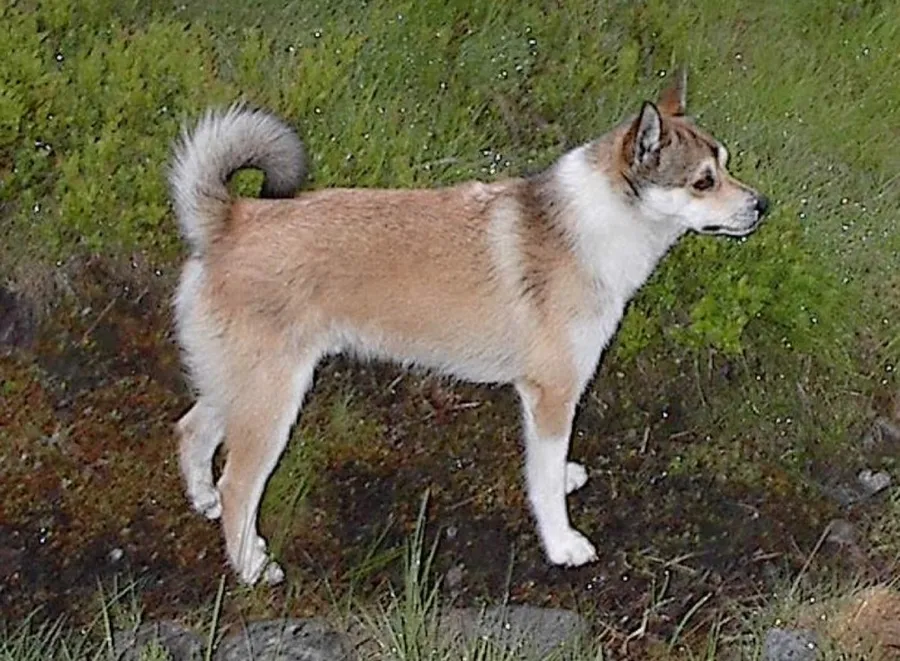
The Norwegian Lundehund was developed on Norway's Lofoten Islands to hunt puffins nesting in cliffs. It has unusual physical traits that helped it climb and navigate rocky terrain. When puffin hunting declined, the breed nearly disappeared. It is a lively, curious companion.
At a glance
- Origin
- Norway
- Developed
- 1500s
- Bred for
- Hunting puffins on cliffs
- Height
- 12–15 in
- Weight
- 20–30 lb
- Life span
- 12–15 years
- Size
- Small
- Coat
- Dense double coat; fallow to reddish brown with white markings
- Grooming
- Low
- Shedding
- Seasonal
- Exercise
- About an hour a day of walks and play
- Recognized by
- American Kennel Club, United Kennel Club, Fédération Cynologique Internationale, Canadian Kennel Club, The Kennel Club (UK)
Good to know
Lundehunds can be challenging to housetrain, so consistency is key. They have unique health needs, especially digestive issues. They are independent and respond best to clear, consistent training.
Health considerations
- Lundehund syndrome (protein-losing enteropathy)
- Atrophic gastritis and gastric carcinoma
Conditions breed clubs commonly screen for. Not every dog will have them. Ask your veterinarian about your own dog.
Did you know?
The Norwegian Lundehund has six toes on each foot.
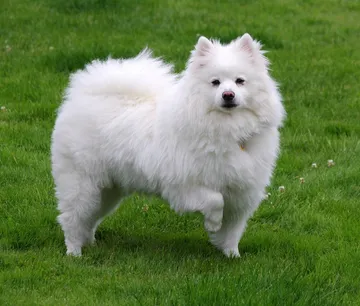
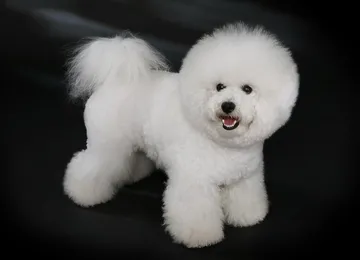
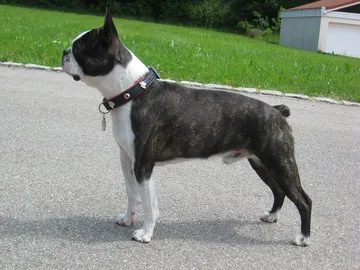
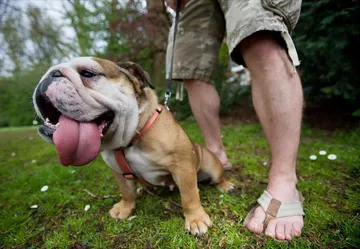
Non-Sporting group
A varied group of breeds with different histories, from the Dalmatian and Chow Chow to the Bulldog and Poodle. Size, coat, and energy vary widely.
Every Norwegian Lundehund is an individual.
Breed traits are tendencies, not guarantees. Your dog's genetics, early life, health, and everyday experiences all shape who they are. If you'd like help understanding the dog in front of you, let's talk.
Start a conversation