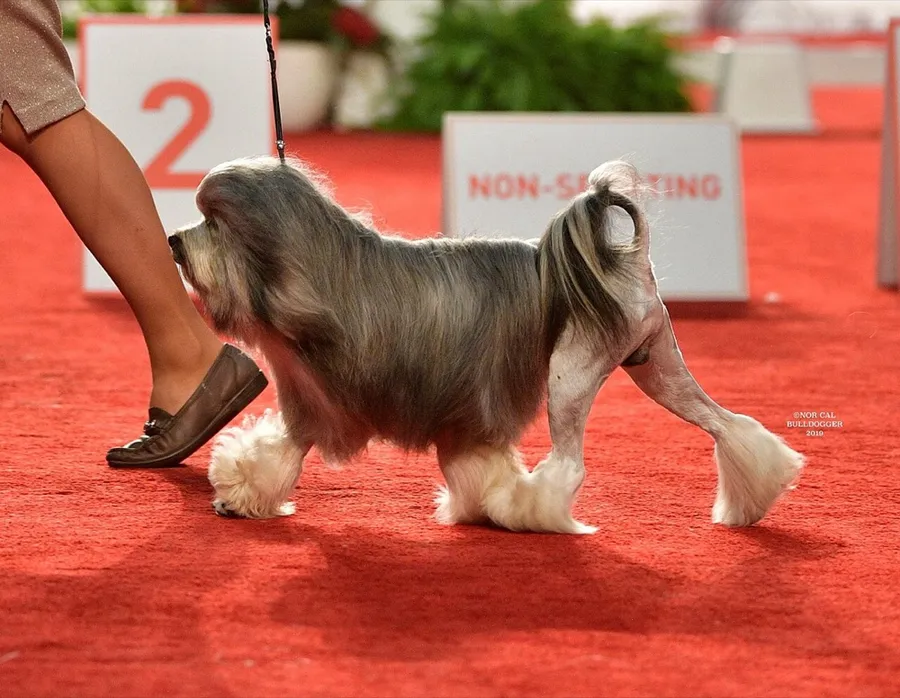
Breeds Non-Sporting
Löwchen
Also known as Little Lion Dog, Petit Chien Lion
The Löwchen has been a companion in Europe since at least the Renaissance. It appears in paintings and tapestries from that era. Its name means "little lion" in German, referring to the traditional lion clip. The breed was once one of the rarest in the world.
At a glance
- Origin
- Continental Europe (Germany and France)
- Developed
- 1500s
- Bred for
- Companionship
- Height
- 12–14 in
- Weight
- 10–15 lb
- Life span
- 13–15 years
- Size
- Small
- Coat
- Long, dense, wavy single coat; any color, often shown in a lion clip
- Grooming
- Moderate
- Shedding
- Minimal
- Exercise
- About 30–60 minutes a day of walks and play
- Recognized by
- American Kennel Club, United Kennel Club, Fédération Cynologique Internationale, Canadian Kennel Club, The Kennel Club (UK)
Good to know
Löwchens need regular brushing to prevent mats. They are social and do best with companionship. Early socialization helps them feel comfortable with strangers.
Health considerations
- Patellar luxation
- Cataracts
- Progressive retinal atrophy
- Hip dysplasia
Conditions breed clubs commonly screen for. Not every dog will have them. Ask your veterinarian about your own dog.
Did you know?
In 1973, the Löwchen was listed by Guinness World Records as one of the rarest dog breeds.
Non-Sporting group
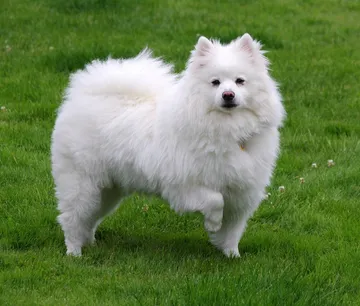
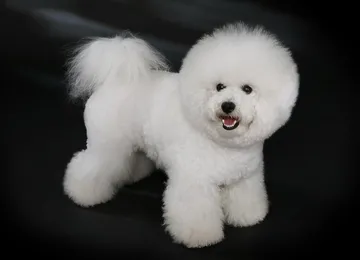
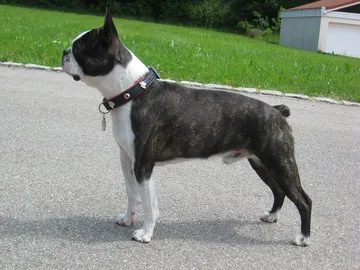
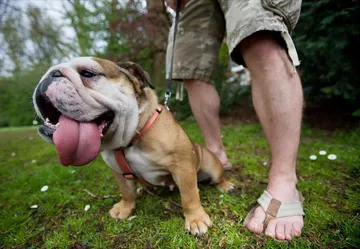
A varied group of breeds with different histories, from the Dalmatian and Chow Chow to the Bulldog and Poodle. Size, coat, and energy vary widely.
Every Löwchen is an individual.
Breed traits are tendencies, not guarantees. Your dog's genetics, early life, health, and everyday experiences all shape who they are. If you'd like help understanding the dog in front of you, let's talk.
Start a conversation