Breeds Toy
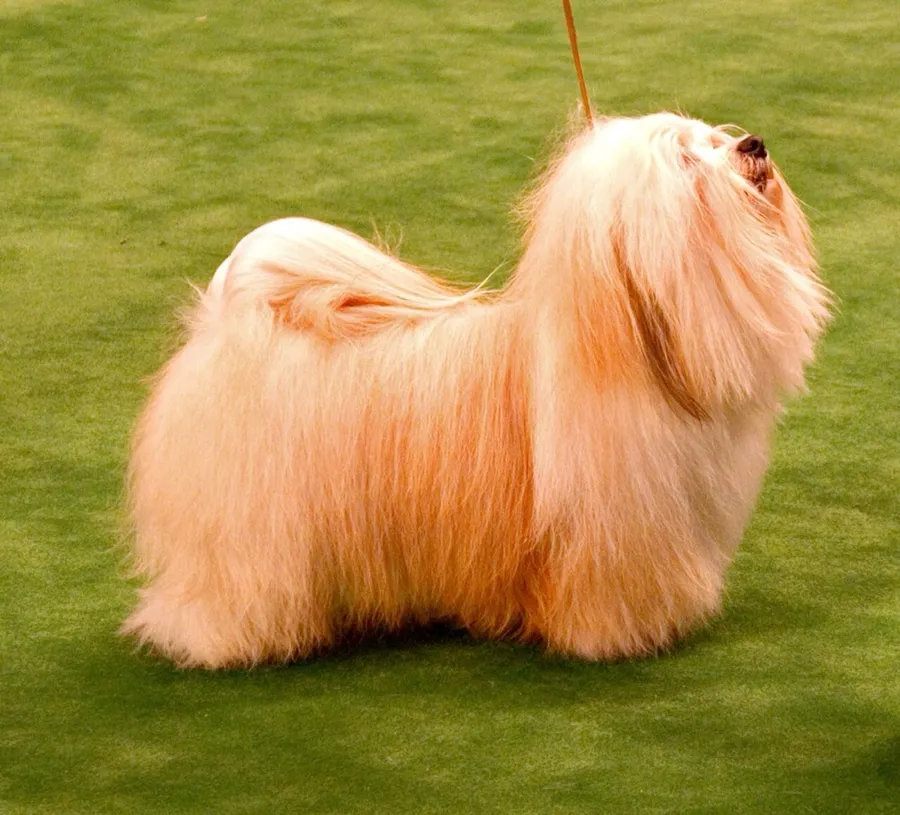
Havanese
Also known as Bichon Havanais, Havana Silk Dog
The Havanese descends from small Bichon-type dogs brought to Cuba by Spanish settlers. It became the beloved companion of Cuban aristocratic households, where it was known as the Blanquito de la Habana. After the Cuban Revolution, a small number of dogs came to the United States, and breeders rebuilt the breed from them. Havanese are sociable, trainable dogs that love being part of family life.
At a glance
- Origin
- Cuba
- Developed
- 1500s–1800s
- Bred for
- Companionship for Cuban aristocratic families
- Height
- 8.5–11.5 in
- Weight
- 7–13 lb
- Life span
- 14–16 years
- Size
- Toy
- Coat
- Profuse, soft, silky double coat that may be straight or wavy; all colors
- Grooming
- High
- Shedding
- Minimal
- Exercise
- About 30–60 minutes a day of walks and play
- Recognized by
- American Kennel Club, United Kennel Club, Fédération Cynologique Internationale, Canadian Kennel Club, The Kennel Club (UK)
Good to know
Havanese bond closely to their people and may struggle with long hours alone, so teach alone-time gradually. They are quick learners who enjoy trick training. The coat needs brushing several times a week or a shorter trim.
Health considerations
- Patellar luxation
- Legg-Calvé-Perthes disease
- Cataracts
- Chondrodysplasia
Conditions breed clubs commonly screen for. Not every dog will have them. Ask your veterinarian about your own dog.
Did you know?
The Havanese is the national dog of Cuba.
Toy group
Small companion breeds, many developed for life alongside people. Small in size but often big in personality; they still need training, enrichment, and gentle handling.
Every Havanese is an individual.
Breed traits are tendencies, not guarantees. Your dog's genetics, early life, health, and everyday experiences all shape who they are. If you'd like help understanding the dog in front of you, let's talk.
Start a conversation