Breeds Foundation Stock Service
Eurasier
Also known as Eurasian, Wolf-Chow (historical)
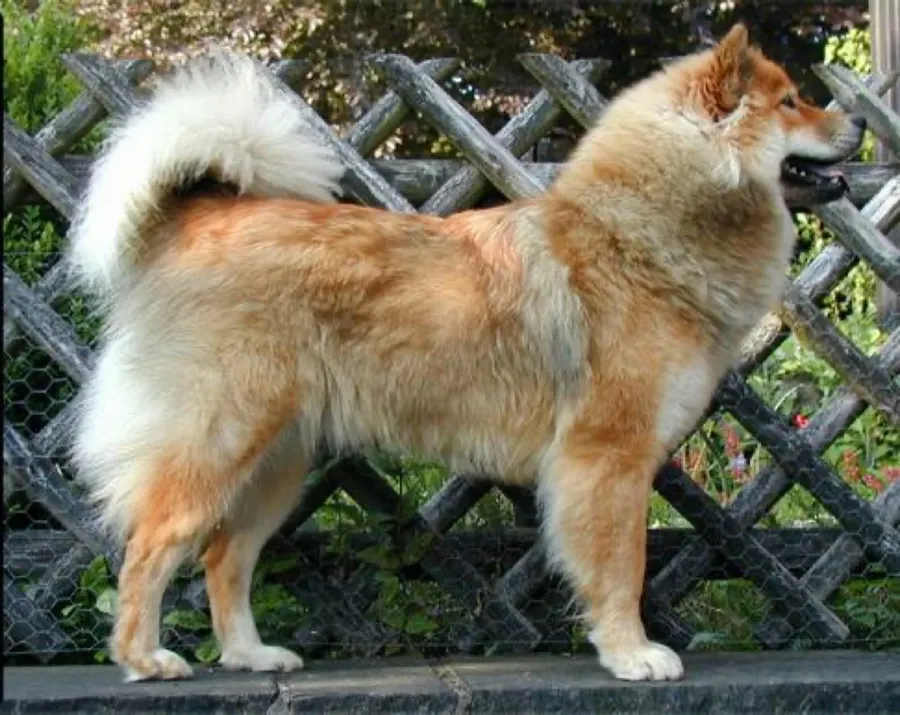
The Eurasier was created in Germany starting in 1960 by Julius Wipfel, who combined the Chow Chow and the Wolfspitz, and later the Samoyed, to create a balanced family companion. The goal was a calm, sensitive dog closely bonded to its household. Eurasiers are quiet, gentle, and typically reserved with strangers.
At a glance
- Origin
- Germany
- Developed
- 1960s
- Bred for
- Family companionship
- Height
- 19–24 in
- Weight
- 40–70 lb
- Life span
- 12–14 years
- Size
- Medium
- Coat
- Medium-length, dense double coat in many colors except white, liver, or white patches
- Grooming
- Moderate
- Shedding
- Seasonal
- Exercise
- About an hour a day of walks and play
- Recognized by
- United Kennel Club, Fédération Cynologique Internationale
Good to know
Eurasiers are sensitive and want to be with their family, so they do poorly with harsh handling or long periods alone. Weekly brushing keeps the coat in good shape.
Health considerations
- Hip dysplasia
- Hypothyroidism
- Patellar luxation
- Entropion
Conditions breed clubs commonly screen for. Not every dog will have them. Ask your veterinarian about your own dog.
Did you know?
The breed was first called the Wolf-Chow, then renamed Eurasier in 1973 to reflect its European and Asian roots.
Foundation Stock Service group
An AKC record-keeping program for rare and developing breeds that are not yet fully recognized. Many are well established in their home countries.
Every Eurasier is an individual.
Breed traits are tendencies, not guarantees. Your dog's genetics, early life, health, and everyday experiences all shape who they are. If you'd like help understanding the dog in front of you, let's talk.
Start a conversation