Breeds Sporting
Curly-Coated Retriever
Also known as Curly
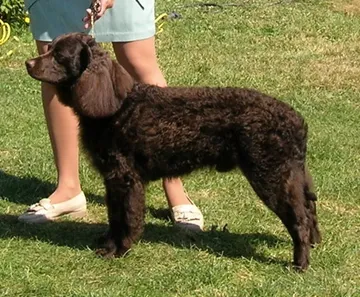
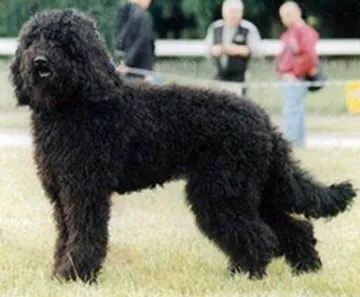
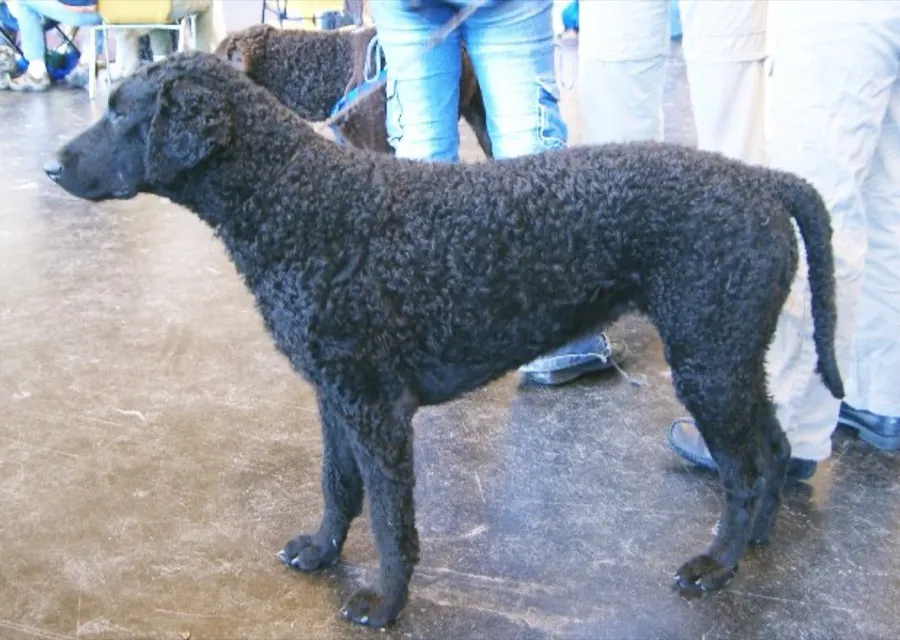
The Curly-Coated Retriever is considered one of the oldest retriever breeds, developed in England from water dogs and other gundogs. Its tight curls protect it from cold water and thick brush. Curlies are versatile hunters and tend to mature slowly, keeping a playful outlook while also being somewhat more reserved with strangers than some retrievers.
At a glance
- Origin
- England
- Developed
- Late 1700s to early 1800s
- Bred for
- Retrieving waterfowl and upland game
- Height
- 23–27 in
- Weight
- 60–95 lb
- Life span
- 10–12 years
- Size
- Large
- Coat
- Dense mass of small, tight, crisp curls; black or liver
- Grooming
- Low
- Shedding
- Seasonal
- Exercise
- 1–2 hours a day, including swimming or retrieving when possible
- Recognized by
- American Kennel Club, United Kennel Club, Fédération Cynologique Internationale, Canadian Kennel Club, The Kennel Club (UK)
Good to know
The curly coat should not be brushed out, which causes frizz; occasional wetting and light trimming keep it tidy. Curlies need daily activity and varied, engaging training to stay engaged.
Health considerations
- Hip dysplasia
- Cancer
- Exercise-induced collapse
- Glycogen storage disease
Conditions breed clubs commonly screen for. Not every dog will have them. Ask your veterinarian about your own dog.
Did you know?
Curly-Coated Retrievers were among the breeds shown at one of the earliest English dog shows, in Birmingham in 1860.
Sporting group
Retrievers, pointers, setters, and spaniels, developed to help hunters find and retrieve game. Typically active, people-focused, and happiest with regular exercise and a job to do.
Every Curly-Coated Retriever is an individual.
Breed traits are tendencies, not guarantees. Your dog's genetics, early life, health, and everyday experiences all shape who they are. If you'd like help understanding the dog in front of you, let's talk.
Start a conversation